
April 30, 2026
How to Tell If Your Dog Is at a Healthy Weight Without Stepping on a Scale
The number on the scale is one of the least useful ways to assess your dog's weight. Here is what actually matters and how to check it at home.
Ask most owners if their dog is at a healthy weight and they will tell you yes. Ask a vet to assess the same dog and the answer is often different. Studies consistently show that more than half of dogs in the US are overweight, and the vast majority of their owners do not realize it.
The disconnect is not because owners are not paying attention. It is because the scale is a bad tool for the job, and the visual cues that actually matter are not obvious unless you know what to look for.
Why the Scale Is Not Enough
A specific weight number means almost nothing without context. A 60 pound Labrador can be lean, ideal, or significantly overweight depending on their frame, muscle mass, and age. Two dogs of the same breed and same weight can have very different body conditions. The scale gives you a number. It does not give you the picture.
What vets use instead is something called a body condition score. It is a visual and tactile assessment that works for any breed, any size, and any life stage. You can do it yourself at home in about thirty seconds, and it is far more useful than weighing your dog.
The Three Things You Are Actually Checking
The first is the ribs. Run your hands along your dog's sides with light pressure. You should be able to feel each rib distinctly without pressing hard, but you should not be able to see them clearly when the dog is standing still. If you have to push through a layer of fat to feel the ribs, your dog is carrying extra weight. If the ribs are visibly protruding when the dog is at rest, your dog is underweight.
The second is the waist. Look at your dog from above while they are standing. You should see a clear narrowing behind the ribcage that creates an hourglass shape. A straight line from chest to hips, or worse a wider line in the middle, indicates excess weight. A dramatic narrowing where the hip bones are sharply visible indicates underweight.
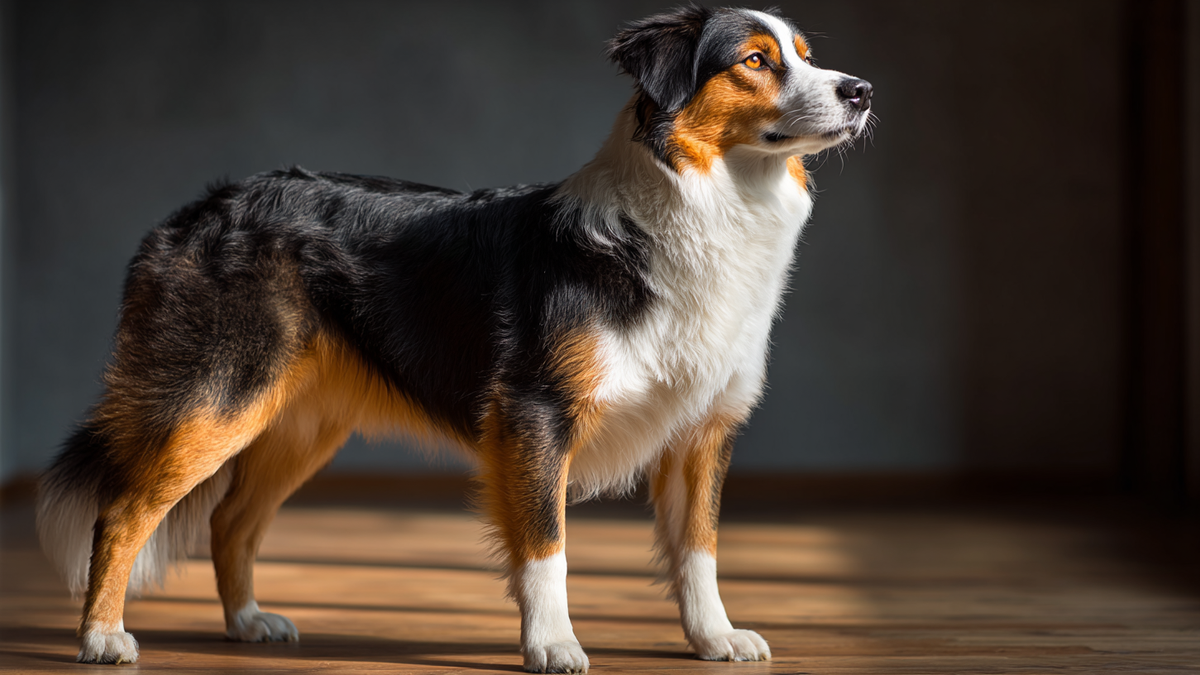
The third is the abdominal tuck. Look at your dog from the side. The belly should slope upward from the bottom of the ribcage to the hind legs. A flat belly that runs parallel to the ground means extra weight. A severely tucked belly with visible hip bones means too little.
These three checks together give you a real answer. The scale never could.
Why Small Amounts of Excess Weight Matter More Than People Think
Owners often assume a few extra pounds is harmless. For a dog, it is not. A 10 pound dog that is two pounds overweight is the equivalent of a 150 pound person carrying an extra 30 pounds. The proportional impact on joints, organs, and lifespan is significant.
Excess weight in dogs is linked to faster joint deterioration, increased risk of diabetes, higher anesthesia risk during routine procedures, and a measurable reduction in lifespan. A landmark study tracking Labrador Retrievers found that dogs kept lean throughout their lives lived nearly two years longer on average than their overfed littermates.
The reverse is also true. Underweight dogs, especially older ones, lose muscle mass faster, recover from illness more slowly, and are more vulnerable to temperature extremes.
What to Do If Something Looks Off
If your hands and eyes tell you something has shifted, weigh your dog the next time you have a chance, then weigh them again two weeks later. A consistent trend in either direction is more useful than any single number.
Adjust food in small increments, not large ones. Most weight gain in dogs comes from treats, table scraps, and overestimated meal portions, not from the food itself being wrong. Measure meals with an actual measuring cup, not by eye.
If your dog is gaining weight without any change in food or activity, that is worth a vet visit. Unexplained weight changes in either direction can indicate thyroid issues, digestive problems, or other underlying conditions that are not visible from the outside.
Do This Once a Month
Run the three checks once a month. Ribs, waist, tuck. It takes less time than brushing your dog and gives you a much clearer read on whether their body is changing in ways that matter.
Upload a side-profile photo at caniqo.com and the AI will assess visible body condition along with coat, eyes, and posture. Combined with your monthly hands-on check, you have two reliable ways to catch weight shifts before they become a problem.
See what your dog can't tell you.