
May 31, 2026
How to Use CANIQO Alongside Your Vet, Not Instead of Them
CANIQO is built to complement vet care, not replace it. Here is how to use the app in ways that actually make your vet visits more productive.
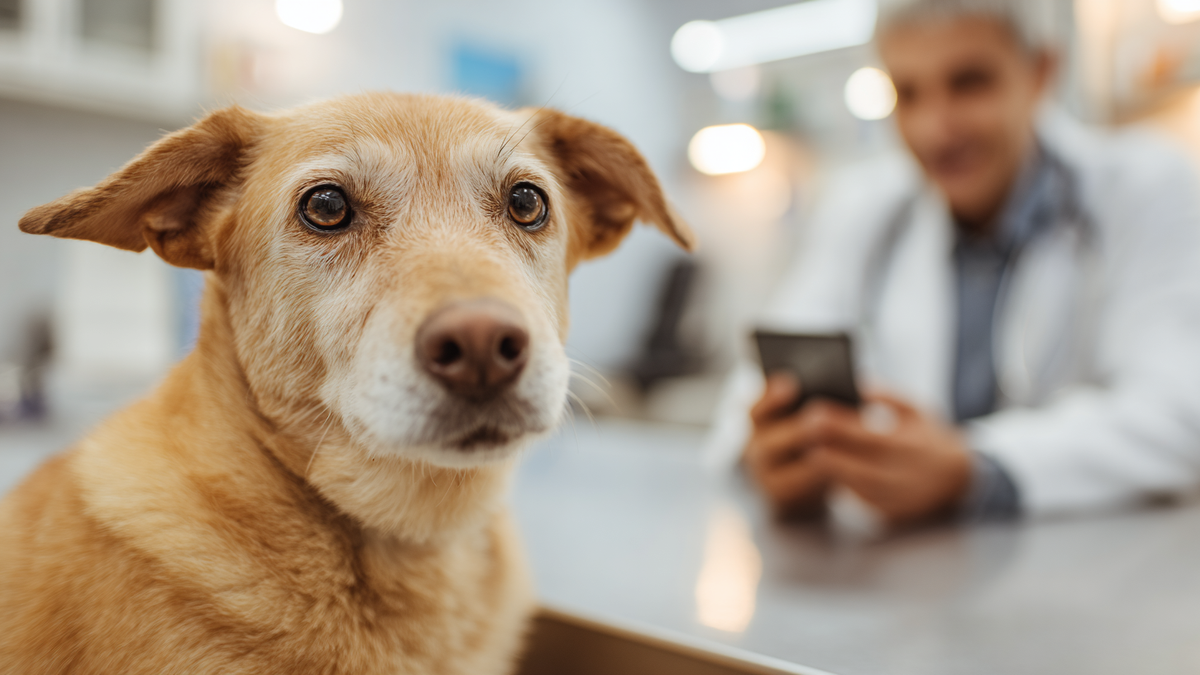
One of the most common questions we get from new users is some version of the same thing. Is this supposed to replace vet visits. The answer is no, and the reason is worth unpacking, because the way CANIQO works best is genuinely alongside a vet relationship, not in place of one.
There is a real gap between what an app like this can do and what a vet can do, and we are not trying to close that gap. Vets do things CANIQO cannot. Bloodwork, physical examination, palpation, imaging, anything internal. None of that shows up in a photo. None of it is something an AI looking at an image can replicate.
What CANIQO is built to do is fill the space between vet visits. The weeks and months when your dog is not in front of a professional, when small changes can develop unnoticed, when owners are doing their best with limited information. That is the gap the app is designed for.
Why Most Dogs Are Underserved Between Visits
The average dog sees a vet once or twice a year. For a healthy adult dog, that is usually enough for routine care. The problem is that meaningful changes in a dog's health do not happen on a vet's schedule. They happen in the months between appointments, often gradually, and frequently below the threshold an owner would notice without something prompting them to look.
A vet at an annual visit can tell you a lot about how your dog is doing right now. They cannot tell you what was happening six weeks ago. They cannot tell you whether the coat has been dulling steadily over the past month. They cannot tell you whether the eyes have been progressively less bright. That information either lives in your memory, which is unreliable, or it does not exist at all.
CANIQO creates a record of that period. Not a clinical record. A visual record of how your dog has looked, week by week, throughout the year. When something changes, you have something to compare against. When you bring concerns to your vet, you have something concrete to show them.
How the App Works Best in Practice
The most useful pattern we see is owners who scan their dog once a week, usually on the same day each week, and treat the score and trend as a passive monitoring tool. They are not actively diagnosing anything. They are simply maintaining a baseline.
When the trend stays steady, nothing happens. The owner glances at the score, sees that things are consistent, and moves on. This is the most common outcome and exactly what you want. A steady trend across many scans is reassurance, not a call to action.
When the trend starts to drift, the owner has something to investigate. Not a diagnosis. A signal that warrants a closer look. They check the basics themselves. Coat condition. Eye clarity. Energy level. Appetite. Movement. If those checks turn up anything specific, they have a clearer reason to call the vet.
The third pattern is when the trend drops significantly or persistently. That is the version where the owner has a real reason to act, ideally before anything has become obvious enough to notice on its own.
Bringing CANIQO Data to Your Vet
This is the part owners often underuse. The scan history is one of the most useful things you can bring to a vet visit, particularly when the visit is prompted by something vague like just doesn't seem right.
Show your vet the trend. The graph is not a clinical tool. It is a conversation starter. It gives the vet a structured way to understand what you have been observing, when it started, and how it has progressed. Saying he hasn't seemed right for a couple of weeks is one kind of information. Showing a clear drop in the trend line over the past three weeks, with specific photos from each scan, is a much more useful kind.
Vets work better with specifics. Anything that helps you describe what has changed, when, and how, makes the appointment more productive. Most vets will not ask to see your CANIQO data, because they do not know to. Volunteer it. Most will engage with it once you do.
What to Use the App for, and What Not To
Use it for tracking. Weekly scans build a baseline that catches gradual change. This is the highest-value use case.
Use it for prompting attention. A drop in the score is a reason to look more carefully at your dog and to consider whether anything has changed. Use the moment as a cue to do a quick at-home check.
Use it for context before vet visits. If you are heading in for any reason, run a fresh scan that morning. Bring the trend with you.
Do not use it as a substitute for emergency judgment. If your dog is bleeding, has labored breathing, has a swollen abdomen, has collapsed, or is showing any acute serious symptoms, that is a vet visit immediately. Do not scan first. Do not wait for a score. Go.
Do not use it as the final word on whether your dog is fine. The score reflects what is visible in the image. It does not reflect what is happening internally. A high score does not mean nothing is wrong. It means the visible signals in that photo were within a healthy range. Those are different things.
Do not use it to second-guess your vet. If your vet has told you your dog has a specific condition or recommended a specific course of action, the app is not equipped to weigh in on that decision. It is not looking at the same information your vet is.
The Right Mental Model
The way to think about CANIQO is as a smoke detector, not a diagnostic. A smoke detector does not tell you what is on fire or what to do about it. It tells you something is worth your attention. The decisions about what to do next still belong to you and your vet.
The app gives you earlier visibility into changes that would otherwise be invisible. It does not give you the answer to what those changes mean. That part still belongs to a professional with hands on your dog.
Why This Matters for the Relationship
The single most useful thing a dog owner can do is build a strong working relationship with one vet. Same practice. Same vet when possible. Build history. The vet who knows your dog over years can read changes more accurately than any one-off appointment ever could.
CANIQO is meant to feed into that relationship. The data you generate at home becomes part of the picture your vet uses. It is not separate from veterinary care. It is in the same direction.
A Practical Workflow
Pick a day each week. Take a scan in consistent conditions. Glance at the score. Check the trend. If everything looks normal, move on. If something looks off, do a five-minute at-home check. If anything from that check raises concerns, call the vet. Bring the data with you to the appointment.
That is the entire workflow. Thirty seconds a week most weeks. A few minutes occasionally. A vet visit when warranted, with more context than you would otherwise have.
Where the App Is Headed
The product is being built around this model. Everything we have planned for future development is designed to make the at-home record more useful and the vet relationship more informed. We are not building toward replacing vets. We are building toward making the time between vet visits less of a blind spot.
Start your dog's record at caniqo.com and after a few weeks of scans, you will have something genuinely useful to track against, and something genuinely useful to bring to your next appointment.
See what your dog can't tell you.