
April 5, 2026
What Healthy Dog Eyes Look Like — And What to Watch For
Most owners notice their dog's eyes every day without actually seeing them. Here's what healthy looks like — and the changes that are worth paying attention to.
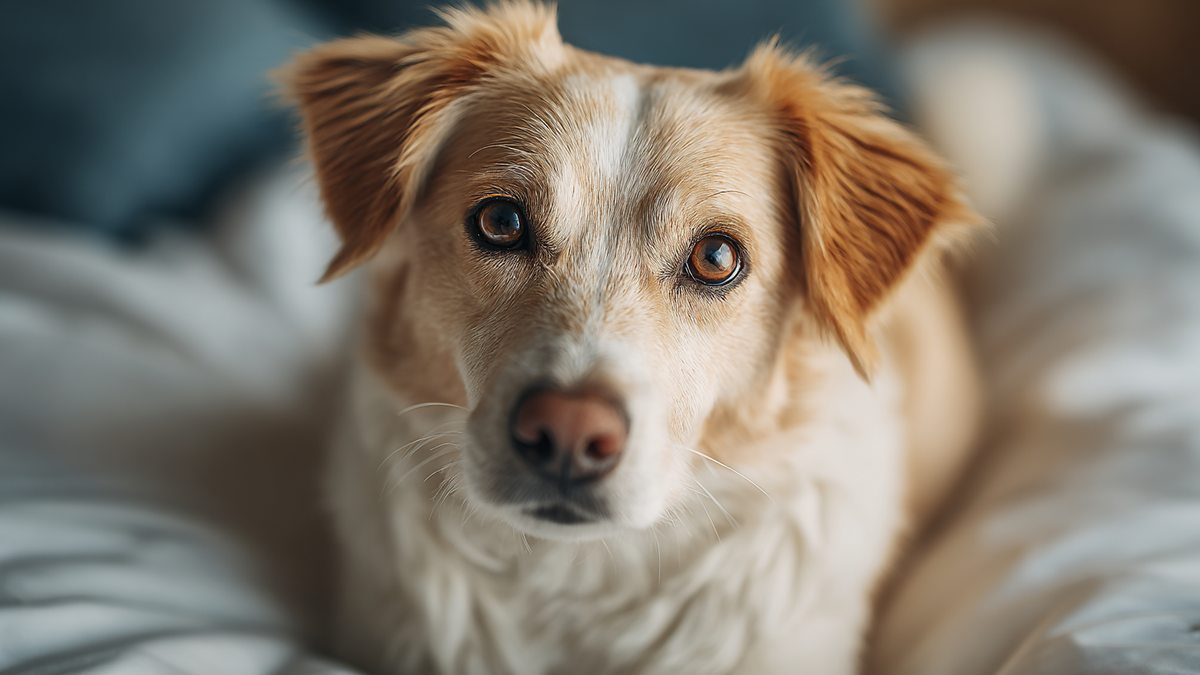
What Healthy Dog Eyes Look Like And What to Watch For
You look at your dog's eyes dozens of times a day. But most owners are not actually looking. They are just seeing.
There is a difference. Seeing is passive. Looking means knowing what healthy actually looks like, so that when something shifts, you catch it before it becomes a problem.
Dog eyes are one of the most information-dense visible health signals on their body. Here is how to read them.
What Healthy Dog Eyes Actually Look Like
Start with a baseline. Healthy dog eyes share a consistent set of characteristics regardless of breed.
The whites are white. Not yellow, not pink, not red. The whites should have minimal visible blood vessels. A small number of thin vessels is normal. A web of red prominent vessels is not.
The pupils are equal and responsive. In normal lighting, both pupils should be roughly the same size. Unequal pupils are a meaningful signal worth noting.
The iris is clear. The colored part of the eye should be vivid and consistent. Cloudiness, haziness, or a bluish tinge over the iris is worth noting, particularly as dogs age.
The cornea is clear and moist. The surface of the eye should look smooth and reflective. Any dullness, cloudiness, or visible irregularity on the surface is a change from a healthy baseline.
Discharge is minimal. A small amount of clear or slightly gray crust in the inner corner of the eye after sleep is normal. What falls outside that range is a different story.
The area around the eye is clean. No swelling, no redness on the surrounding skin, no fur staining from chronic tearing.
Changes Worth Paying Attention To
Redness in the whites. Mild occasional redness can result from dust, wind, or minor irritation. Persistent redness, or redness paired with squinting or discharge, warrants attention. It can indicate conjunctivitis, a foreign body, or increased ocular pressure.
Yellow or orange tint to the whites. Yellowing of the sclera indicates elevated bilirubin, which points to issues with the liver, gallbladder, or red blood cell breakdown. If you see this, contact your vet promptly.
Cloudiness or haziness over the eye. There are two common sources of cloudiness in dogs. The first is nuclear sclerosis, a normal gradual change in older dogs where the lens appears slightly bluish-gray but vision remains largely intact. The second is cataracts, actual opacity in the lens that can affect vision. The distinction matters and your vet can tell them apart on examination. Either way, new cloudiness is worth logging and discussing.
Unequal pupils. If one pupil is noticeably larger or smaller than the other in the same lighting conditions, that is called anisocoria. It can result from eye injury, neurological issues, or certain systemic conditions. It is not a signal to wait on.
Excessive or colored discharge. Clear watery discharge in small amounts is generally benign. Yellow, green, or thick white discharge is associated with infection. Chronic brown staining in the inner corners is common in certain breeds but can also indicate a blocked tear duct or chronic irritation.
Squinting or frequent blinking. When a dog squints in normal light, they are usually telling you the eye is uncomfortable. Combined with redness or discharge, it points toward something that needs to be examined.
Visible third eyelid. Dogs have a third eyelid in the inner corner of the eye. You should not normally see much of it. If it is visibly protruding or if the inner corner looks swollen or raised, that is worth flagging.
The Breeds Where Eyes Need Extra Attention
Certain breeds carry a higher baseline risk for eye-related issues, and owners of these dogs should make eye checks a regular habit.
Flat-faced breeds like Bulldogs, Pugs, Shih Tzus, Boxers, and French Bulldogs have eyes that protrude more than typical, which increases exposure and the risk of corneal injury. Deep-set breeds like Chow Chows and Shar-Peis are prone to entropion, where the eyelid rolls inward and the lashes rub against the cornea. Cocker Spaniels have a higher incidence of glaucoma and dry eye. And many larger breeds including Labrador Retrievers and Golden Retrievers have elevated rates of progressive retinal atrophy as they age.
Knowing your breed's risk profile is not about anxiety. It is about knowing where to pay extra attention.
How Often to Actually Check
A quick eye check takes about 20 seconds. Good lighting, face to face with your dog, a calm moment. Look at the whites, the cornea, the discharge level, and the area around the eye. Do it weekly as a habit, and any time your dog seems to be squinting, pawing at their face, or their eyes just look different to you.
Your vet cannot see what happens between appointments. That gap is where changes develop.
How CANIQO Helps
Eye clarity is one of the visible signals CANIQO analyzes during a health scan. When you run regular scans, changes in eye appearance get tracked over time so you are not relying on memory to know if something looks different than it did three weeks ago.
Start a free health scan at caniqo.com. See what your dog can't tell you.