
May 10, 2026
What Hot Spots on Dogs Actually Are and Why They Appear So Fast
A hot spot can go from invisible to raw in under 24 hours. Here is what is actually happening on the skin and how to spot the early signs before it spreads.
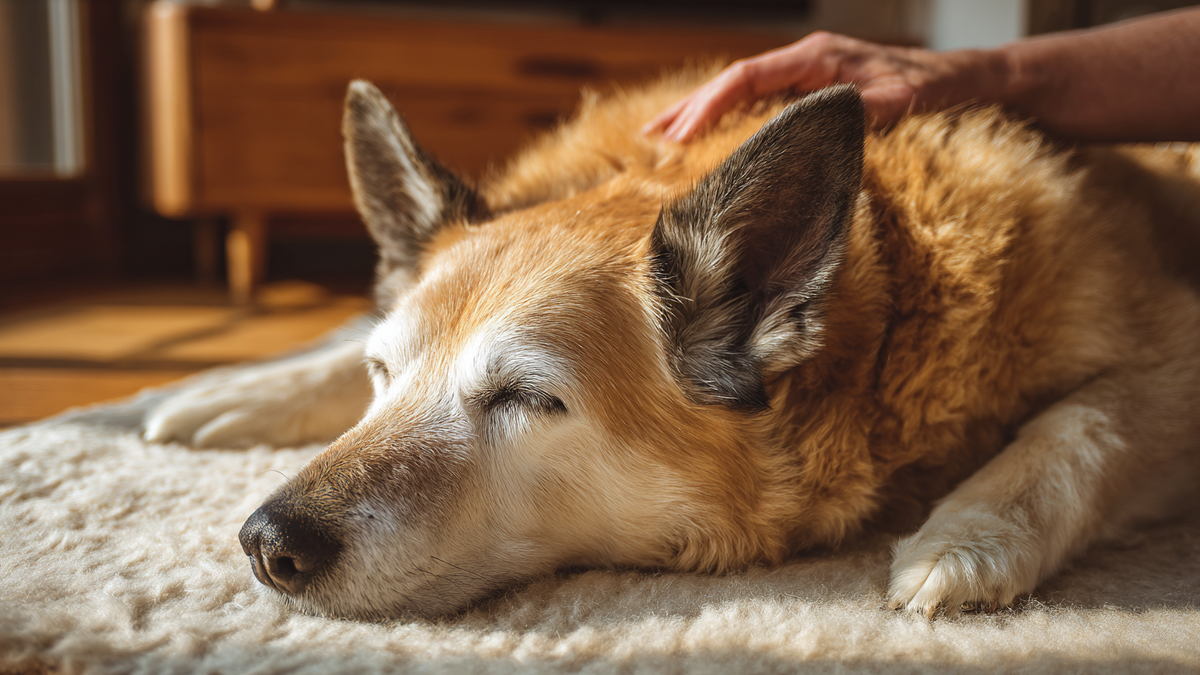
Few things catch dog owners off guard quite like a hot spot. One day the coat looks normal. The next day there is a red, wet, painful patch the size of a coin or larger, and the dog has clearly been working on it for hours without anyone noticing. The speed of it is what makes hot spots so frustrating. They can go from invisible to severe in less than a day.
Understanding what is actually happening underneath the coat is the first step in catching them earlier, and there are real early signs if you know where to look.
What a Hot Spot Actually Is
The clinical name is acute moist dermatitis. The mechanism is a self-perpetuating loop. Something irritates a small area of skin. The dog licks or scratches it. The moisture and trauma from the licking damages the skin barrier. Bacteria that are normally harmless on the surface start multiplying in the broken tissue. The infection itself becomes itchy and painful. The dog licks more. The area expands.
That loop is why hot spots grow so fast. By the time the patch is visible to you, the dog has often been working on it for several hours, and the bacterial overgrowth is already established. Every additional hour the loop runs, the worse it gets.
The damp, raw appearance is not just irritation. It is a real infection that needs to be treated, and in most cases it will not resolve on its own because the dog cannot stop touching it.
What Triggers Them
Hot spots almost always start with something underneath. The most common triggers are fleas, even just one or two bites in a sensitive dog. Allergies, both seasonal and food related, are another major source. A trapped damp coat after swimming or a bath that did not fully dry can do it. So can a tangle or mat that pulls on the skin. Ear infections often cause hot spots near the ears or jaw because the dog scratches that area repeatedly.
Dogs with thick double coats are especially vulnerable. Golden retrievers, Labradors, German shepherds, and Bernese mountain dogs are common candidates because their coats trap moisture against the skin and make the underlying irritation harder to see.
The Early Signs
This is the part most owners miss. Hot spots do not actually appear out of nowhere. They follow a sequence, and the sequence usually starts twelve to twenty-four hours before the visible patch shows up.
The first sign is focal attention. Your dog starts paying attention to one specific spot on their body, repeatedly. They might lick it once, walk away, and come back to it a few minutes later. They might shift their position to reach it. They might scratch the same area more than once in a sitting. None of it is dramatic. It just keeps happening.
The second sign is a subtle change in mood. Dogs in the early stages of a developing hot spot often become slightly restless or more easily annoyed. They get up and lie down more than usual. They reposition often. The discomfort is mild but persistent, and it shows up in body language before it shows up on the skin.
The third sign, and the one that closes the window quickly, is when the licking becomes focused. A dog quietly licking the same spot for ten or fifteen minutes is no longer at risk of developing a hot spot. They are already developing one. At that point you have hours, not days.
What to Do If You Catch It Early
If you notice your dog returning to a specific spot, interrupt the cycle before it escalates. Part the fur and look at the skin directly. You may not see anything obvious yet. That is fine. The point is to break the loop before the skin barrier is damaged.
A cool damp cloth pressed gently against the area for a minute can soothe early irritation. Keep the coat in that area dry for the rest of the day. If your dog has any kind of cone or recovery collar from a previous issue, this is a reasonable time to use it for a few hours.
If the licking is already focused and persistent, or if you can see any redness or moisture on the skin, that is when you stop trying to manage it at home and call the vet. Hot spots that have already broken the skin almost always need a medicated topical, often an oral antibiotic, and sometimes a short course of anti-inflammatories. They rarely resolve without treatment.
What Not to Do
Do not shave the area yourself unless you know what you are doing. Pulling clippers across already-inflamed skin can make it significantly worse. Do not apply human topical creams. Many of them, including common antibiotic ointments, contain ingredients that are problematic if a dog licks them off, which they will.
Do not assume it is just dry skin. A wet, raw patch is not dry skin. It is an active infection.
The Pattern That Matters
If your dog has had one hot spot, they are statistically much more likely to have another, often in roughly the same area or in spots with similar conditions like behind the ears, on the flanks, or near the base of the tail. The underlying trigger is what matters. A hot spot that came from fleas means the flea prevention needs to be reassessed. A hot spot that came from allergies usually signals that the allergy management plan needs work. A hot spot that came from a wet coat means drying routines need to change.
The skin issue is the symptom. The trigger underneath it is the actual problem, and it is worth addressing once the immediate infection is resolved.
Upload a clear photo at caniqo.com and the AI will analyze the visible condition of your dog's coat and skin. Combined with paying attention to where they are focusing their attention, you have two ways to catch the early stages before the loop closes.
See what your dog can't tell you.