
April 8, 2026
What Your Dog's Coat Is Actually Telling You About Their Nutrition
A dull, dry, or thinning coat is often the first visible sign of a nutritional gap. Here is what your dog's fur is telling you and what to do about it.
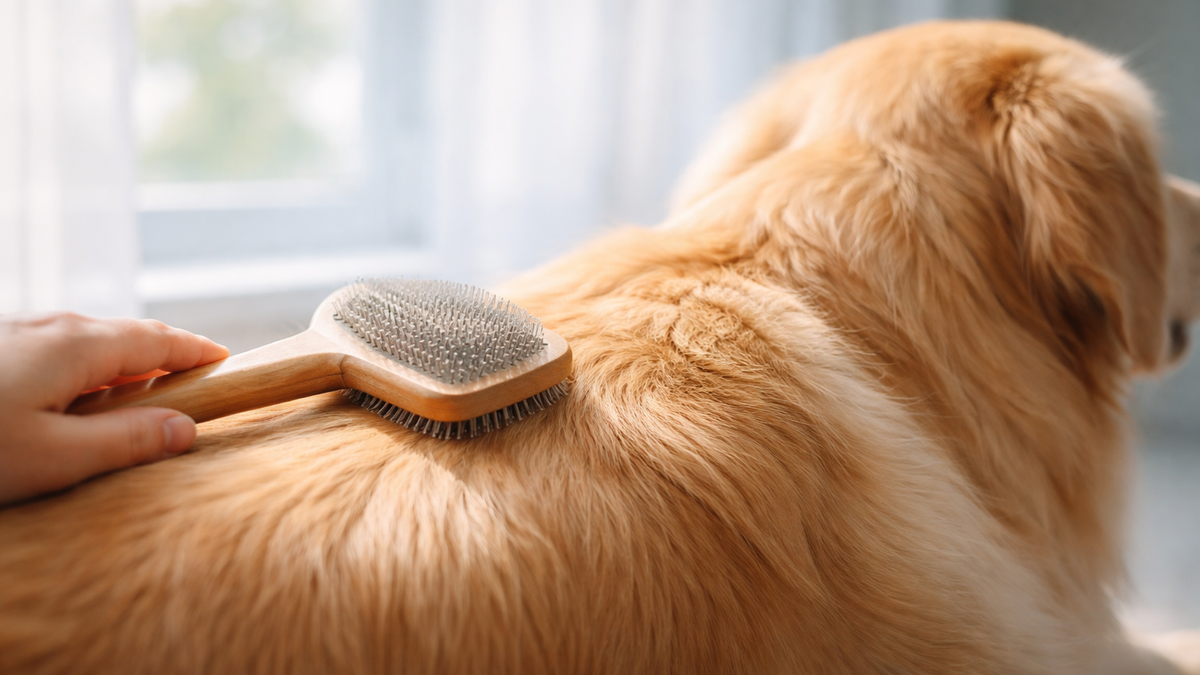
What Your Dog's Coat Is Actually Telling You About Their Nutrition
Most dog owners think about nutrition in terms of weight. Is my dog too heavy? Too thin? But weight is a lagging indicator. By the time it shifts meaningfully, the underlying issue has usually been building for a while.
The coat tells you sooner.
Your dog's fur is one of the most nutritionally sensitive tissues in their body. It responds quickly to what your dog is eating, or not eating, and it does so visibly. If you know what to look for, the coat becomes one of your most reliable early indicators that something in the diet needs attention.
Here is what the signals actually mean.
A Dull or Flat Coat
A healthy coat has a natural sheen. Not greasy, just a quiet luster that catches light when your dog moves. When that sheen disappears and the coat looks flat or straw-like, the most common cause is a deficiency in omega-3 fatty acids.
Omega-3s, particularly EPA and DHA, are essential for skin barrier function and coat quality. Dogs cannot produce them in sufficient quantities on their own. They have to come from the diet. Many standard dry kibble formulas do not contain enough, especially if the food has been sitting on a shelf for months and the fats have begun to oxidize.
If the coat has lost its shine without any other changes, the first thing worth evaluating is the fat content and quality of your dog's current food.
Dry or Flaky Skin Underneath the Coat
When you part your dog's fur and find flaky, dry skin underneath, that is a different signal from a dull coat on top, though they often occur together.
Dry skin points to inadequate hydration or insufficient dietary fat. It can also indicate a zinc deficiency, which is more common than most owners realize and affects several breeds disproportionately including Siberian Huskies, Alaskan Malamutes, and some large breeds.
In some cases dry skin is environmental, low humidity in winter months being the most common culprit. But if it persists across seasons, nutrition is the more likely root cause.
Excessive Shedding Outside of Seasonal Changes
All dogs shed. What is worth paying attention to is shedding that is heavier than usual or happening outside your dog's normal seasonal pattern.
Protein deficiency is one of the more overlooked causes of abnormal shedding. Hair is made almost entirely of protein. When a dog's diet does not provide enough, the body prioritizes essential functions and pulls resources away from hair growth. The result is increased shedding and slower regrowth.
This is most commonly seen in dogs that have been switched to a lower quality food, or in dogs on homemade diets that have not been properly balanced by a veterinary nutritionist.
A Thinning or Sparse Coat
If the coat is thinning overall, becoming visibly less dense than it used to be, that is a step beyond normal shedding and worth taking seriously.
Generalized thinning can result from protein or caloric insufficiency, but it can also point to deficiencies in specific micronutrients including biotin, vitamin E, and certain B vitamins. It can also indicate hormonal issues like hypothyroidism, which has a strong nutritional component in how it manifests visibly.
If the thinning is patchy or concentrated in specific areas rather than generalized, that changes the picture and is worth discussing with your vet separately from nutrition.
Greasy or Oily Coat
On the opposite end of the spectrum, a coat that feels excessively oily or greasy can also indicate a nutritional imbalance, specifically too much fat or the wrong ratio of omega-6 to omega-3 fatty acids.
Most commercial dog foods are high in omega-6 and low in omega-3. When the ratio is significantly skewed, it can contribute to excess sebum production, which makes the coat feel greasy and can also contribute to skin odor and inflammation.
What To Actually Do About It
Before changing anything, take a close look at your dog's current food. Check the ingredient list for a named animal protein as the first ingredient, look at the fat sources and whether omega-3s are included, and check the manufacturing date to assess freshness.
If the food looks solid on paper, consider whether your dog is actually absorbing nutrients properly. Dogs with digestive issues sometimes eat a nutritionally complete diet but cannot utilize what they consume effectively.
Adding a fish oil supplement is often the simplest first step for coat-related concerns and is generally safe for most dogs. But any significant dietary change is worth a conversation with your vet before implementing.
How CANIQO Helps
Coat quality is one of the visible signals CANIQO analyzes during a health scan. When you run regular scans, changes in coat appearance get tracked over time so you can see whether things are improving or declining and bring concrete observations to your vet rather than vague concerns.
Start a free health scan at caniqo.com. See what your dog can't tell you.