
March 22, 2026
What Your Dog's Coat Is Telling You About Their Health
Your dog's coat is one of the most visible health signals on their body. Here's how to read it — and what changes are worth paying attention to.
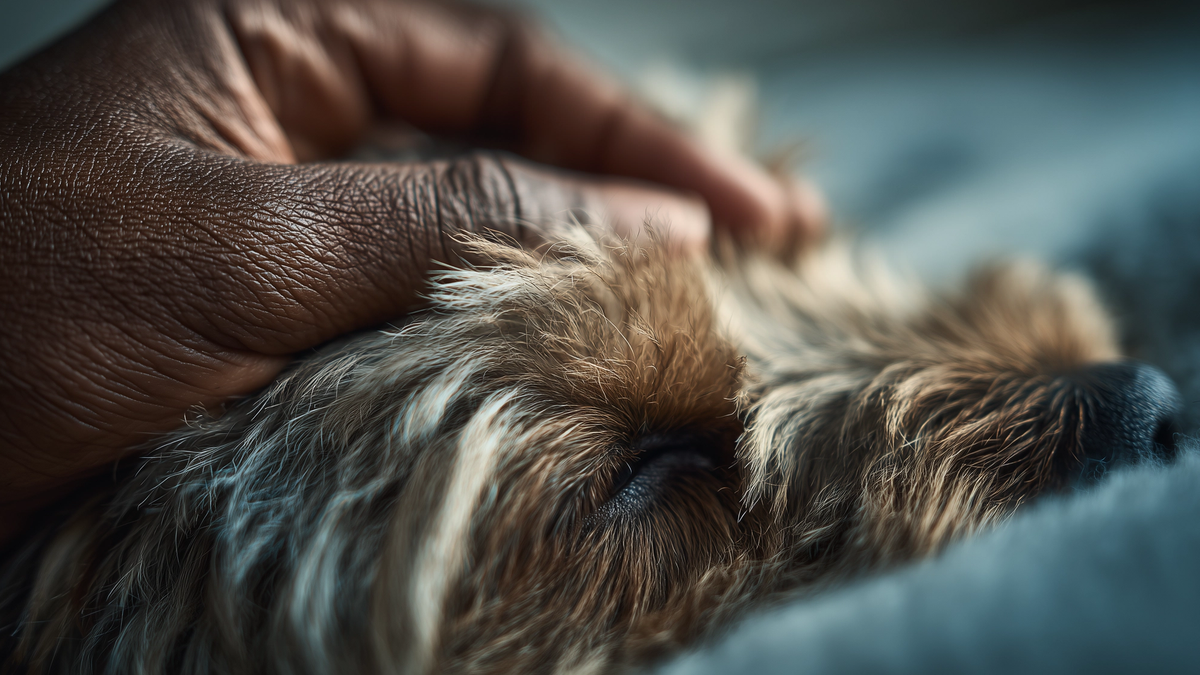
What Your Dog's Coat Is Telling You About Their Health
Most dog owners think of their dog's coat as just… fur. Something to brush, something that ends up on the couch, something that gets wet in the rain.
It's actually one of the most reliable health signals on your dog's body.
The condition of your dog's coat changes in response to what's happening internally — nutritional deficiencies, hormonal shifts, skin inflammation, stress, and more all show up there before they show up anywhere else. The problem is most owners don't know what to look for, so they miss it.
Here's what your dog's coat is actually communicating.
Dull or Dry Coat
A healthy coat has a natural sheen to it. Not greasy — just a quiet luster that reflects light when your dog moves.
When that sheen disappears and the coat looks flat, dull, or straw-like, it usually signals one of a few things: a nutritional gap (particularly omega-3 fatty acids or zinc), inadequate hydration, or an underlying condition affecting how the body processes nutrients. It can also be an early sign of hypothyroidism, which is more common in dogs than most owners realize and often goes undetected for months.
This is one of those changes that happens gradually. If you're not paying close attention, it's easy to write off as seasonal or "just how they are."
Excessive Shedding
Every dog sheds. That's normal. What isn't normal is a sudden increase in shedding outside of seasonal coat changes — clumps coming out during brushing, bald patches forming, or fur falling out in specific areas.
Stress is a major driver of sudden shedding spikes. So are hormonal changes, allergies, and skin infections. In some cases it's also a reaction to a new food or environmental trigger.
The key question isn't "is my dog shedding?" It's "is my dog shedding more than usual, in a pattern that's new?"
Flaky or Irritated Skin Underneath
The coat is the cover. The skin underneath is the story.
When you part your dog's fur and see flakes, redness, or small bumps along the skin, that's worth paying attention to. Dandruff in dogs isn't just a cosmetic issue — it can indicate dry skin from low humidity, a food sensitivity, a fungal or bacterial skin condition, or a parasitic issue like mites.
The distribution matters too. Flaking that's concentrated on the back near the tail base often points to flea activity, even if you haven't spotted fleas directly. Flaking around the face and paws more commonly suggests environmental allergies.
Coat Thinning in Specific Areas
Patchy or localized thinning — especially around the eyes, ears, muzzle, or elbows — is different from general shedding. It's a pattern, and patterns mean something.
Thinning around the face and ears can signal mange (a mite infestation), ringworm, or a hormonal condition like Cushing's disease. Thinning on the elbows or pressure points is usually a friction response and is more benign, but it's still worth flagging to your vet.
The data is actually pretty consistent here: coat changes in specific regions are more diagnostically meaningful than general coat quality. Your vet knows this — but they can only act on it if you bring it to their attention.
Color Changes in the Coat
This one gets overlooked almost entirely.
If your dog's coat is lightening, reddening around the paws or muzzle, or developing unusual pigment changes, those are signals worth noting. Reddish-brown staining on the paws is a classic sign of chronic licking — which itself indicates either skin irritation or anxiety. Lightening of a previously dark coat can occur with certain nutritional deficiencies or prolonged sun exposure, but it can also reflect chronic stress.
The Gap Between Vet Visits
Here's the thing: your vet sees your dog for maybe 30 minutes a year. They're good at what they do — but they're working with a snapshot, not a trend.
The coat changes described above don't announce themselves dramatically. They develop over weeks. They're subtle at first. By the time they're obvious enough to bring up at an annual checkup, they've often been there for months.
That's the gap Caniqo is built for. When you run a regular health scan, the AI analyzes visible signals — coat quality, skin clarity, eye condition — and tracks changes over time. You're not guessing whether something looks different. You have a record.
If you want to stay ahead of what your dog's coat is telling you, start a free health scan at caniqo.com. See what your dog can't tell you.