
April 24, 2026
Why Some Dogs Get Clingy When Something Is Wrong
Sudden clinginess is one of the most overlooked early signs that something is off with your dog. Here is what it actually means and when to pay attention.
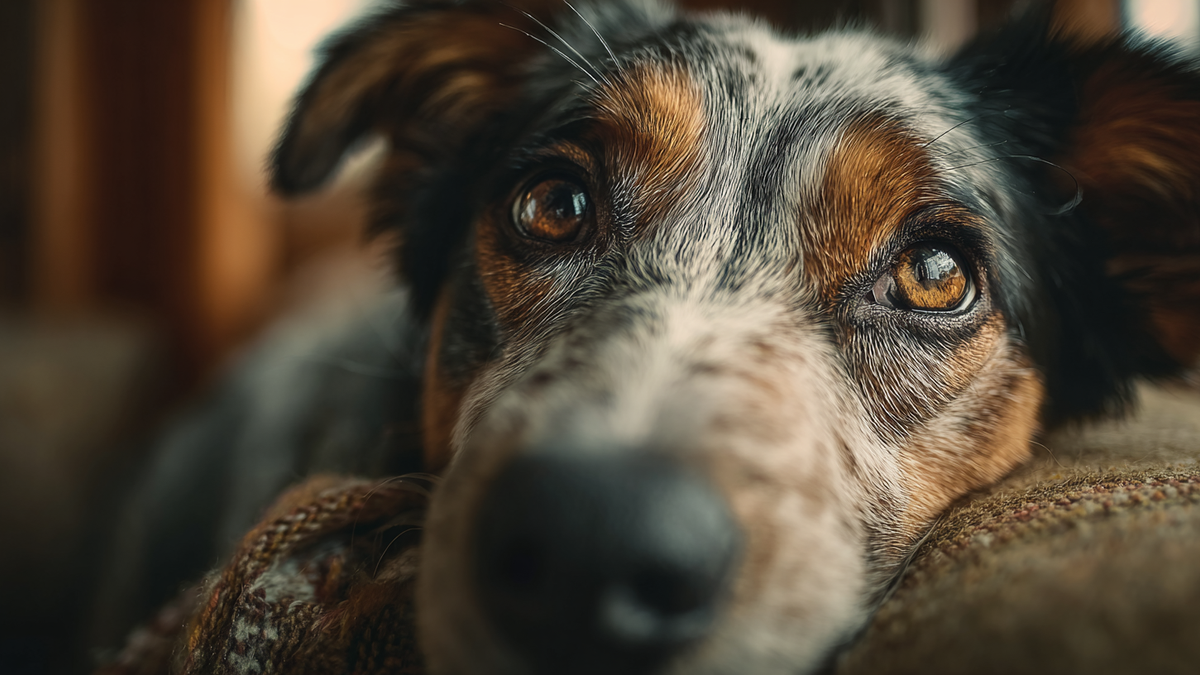
Most owners celebrate when their dog gets clingy. It feels like love. It feels like bonding. And most of the time, that is exactly what it is. But a sudden shift in clinginess, especially in a dog that is normally independent, is one of the most underrated early signals that something is wrong.
Dogs do not change their baseline behavior for no reason. When a confident, self-sufficient dog suddenly starts shadowing you from room to room, pressing against your leg, or refusing to settle unless you are close, that shift is worth paying attention to.
The Difference Between Love and a Signal
A dog that has always been affectionate is not the concern. The concern is change. If your dog used to nap in the other room and now needs to be on top of you. If your dog used to greet you at the door and go back to their bed, but now follows you into the bathroom. If your dog has started waking up when you leave the room at night when they never did before. Those are the shifts that matter.
Clinginess is a behavioral expression of discomfort, anxiety, or uncertainty. Dogs seek proximity when something feels off, and they do it because being close to their person is how they self-regulate.
What It Can Mean
Pain is one of the most common causes. Dogs in low-grade pain often become more velcro because movement is uncomfortable, and staying near their person feels safer than being alone. Joint issues, dental pain, and early digestive problems often show up this way before they become visible.
Vision or hearing loss can also cause clinginess. A dog that is starting to lose a sense becomes more dependent on their person for orientation and reassurance. This happens gradually and is easy to miss until the dog is noticeably disoriented in unfamiliar spaces.
Cognitive changes in older dogs can look like clinginess too. Dogs in the early stages of canine cognitive dysfunction often become more anxious, more attached, and less willing to be alone. It is one of the first signs, and it is almost always mistaken for the dog just getting sweeter with age.
Anxiety from an environmental change is the non-medical cause. A new house, a new baby, a construction project outside, a schedule shift. These can all produce clinginess that fades within a week or two once the dog adjusts. If the clinginess outlasts the change, it stops being situational and starts being worth investigating.
What to Watch For
Pair the clinginess with other cues. Is your dog eating normally. Are they moving the same way they did a month ago. Are they sleeping more. Are they hesitating before jumping on the couch or going up stairs. Is their coat the same. Are their eyes as bright as they were.
One behavioral change on its own is rarely enough to act on. But clinginess combined with any other shift, even a small one, is worth a closer look.
When to Book a Vet Visit
If the clinginess has lasted more than two weeks without an obvious environmental cause, it is worth a vet visit. If it is paired with any physical change at all, book sooner. Dogs are not clingy without a reason, and the reason is often something you can catch early if you know to look.
Upload a photo at caniqo.com and see what the visible signals show. Pair what you see in their behavior with what the AI can see in the image, and you get a much clearer picture of what is actually going on.
See what your dog can't tell you.