
June 14, 2026
Why Your Dog Has Stopped Greeting You at the Door
The door greeting is one of the most reliable rituals in a dog's life. When it changes, the reason is rarely what you would assume.
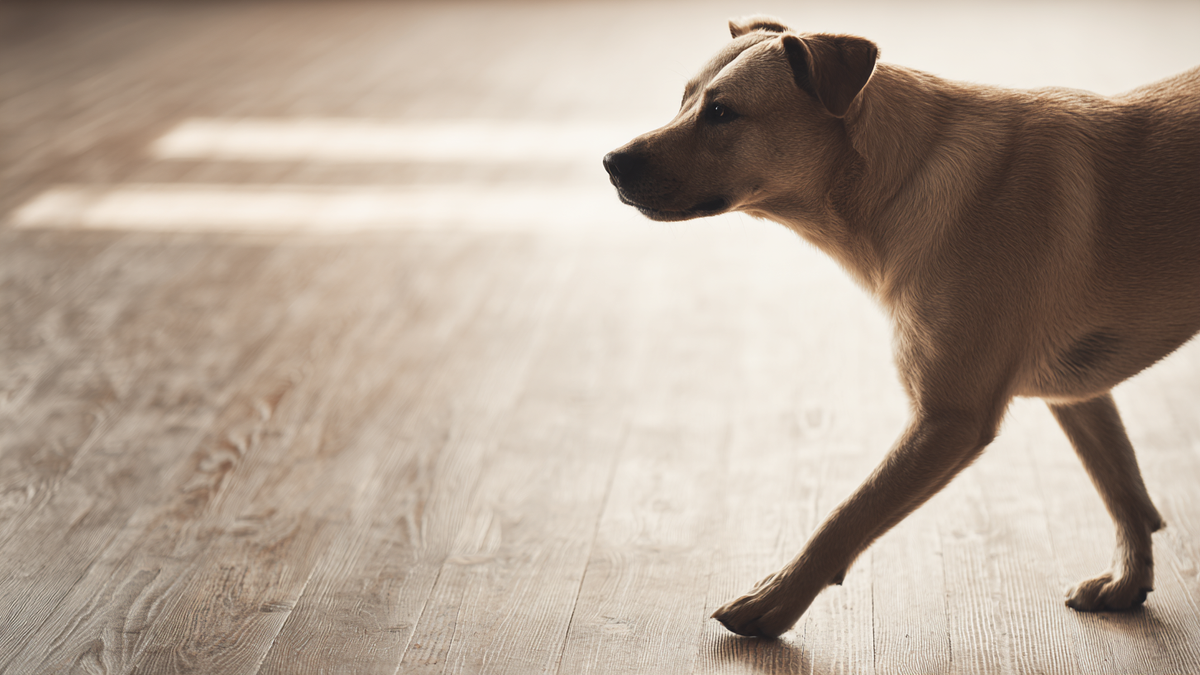
Of all the small daily rituals dogs build into their lives, the door greeting is one of the most consistent. They learn the sound of your car. They learn the rhythm of your footsteps. They learn which keys belong to which person. For years, sometimes for their entire lives, they show up at the door before you have finished turning the handle. When that ritual disappears, almost no owner notices right away. But when they do, it tends to land harder than other behavioral changes, because it is one of the most personal moments in the relationship.
The instinct most owners have is to interpret it emotionally. The dog must be mad. The dog must not care anymore. The dog has become aloof with age. Almost none of those are accurate. The door greeting is one of the most useful behavioral data points in a dog's day, and when it fades, the explanation is usually physical or cognitive rather than emotional.
Why the Door Greeting Matters
The greeting at the door is one of the few moments in a dog's life that is fully voluntary and fully repeatable. The dog gets nothing concrete out of it. There is no treat, no walk, no meal attached to the moment itself. They show up because they want to. That makes it a high-quality behavioral signal, because changes in it cannot easily be explained away as the dog reacting to a change in routine, food, or training.
It is also a behavior that requires several things to be working at once. The dog has to hear or sense your arrival. They have to want to move. They have to be physically capable of getting to the door quickly. They have to feel well enough to engage. When any one of those factors drops below threshold, the greeting changes.
That makes it a useful early indicator. The greeting often fades before any other behavior does, because it sits at the intersection of so many systems.
The Most Common Cause
Mobility issues are the leading reason for fading door greetings, particularly in middle-aged and senior dogs. The greeting requires getting up quickly, often from a deep sleep, and moving to the door at speed. For a dog with developing joint discomfort, that combination is exactly what becomes uncomfortable first.
The pattern is distinctive. The dog still hears you arrive. They still register the event. They may lift their head, look toward the door, even start to get up. But they do not commit to the trip. They settle back down, or they make their way over slowly after you are already inside, or they meet you halfway with less energy than they used to.
This is one of the earliest signs of joint disease in many dogs, and it often shows up months before any limp becomes visible during a walk. The dog is choosing not to move quickly because moving quickly hurts. The discomfort may be mild enough that you cannot see it any other way, but the cost-benefit math on a sudden burst of movement has shifted, and the dog is making the calculation in real time.
The Sensory Cause
Dogs who are losing hearing often stop greeting at the door simply because they no longer notice you are home until you are inside. The behavior change can look like emotional withdrawal but is purely sensory. The dog is not less excited to see you. They just do not know you have arrived.
Vision loss can produce a similar pattern, though less directly. A dog whose vision has declined may be more hesitant to move quickly in low light or to navigate familiar paths confidently, particularly if the door is in a hallway or area that has lower lighting in the evenings.
Both of these tend to develop gradually. The greeting fades over months rather than disappearing all at once. Owners often only realize how much it has changed when they think back to what it looked like a year ago.
The Cognitive Cause
For senior dogs, particularly those over ten, fading greetings can be one of the early signs of cognitive change. Canine cognitive dysfunction affects the routines and rituals that were once automatic. The dog still recognizes you, still loves you, still wants the connection. But the automatic recognition of your arrival, the muscle memory of the greeting itself, can quietly erode.
The distinguishing feature is whether the dog seems to register your arrival at all. A dog who hears you, lifts their head, and stays put is showing a different pattern than a dog who does not seem to register that you have arrived even when you walk into the room. The second pattern points more strongly toward cognitive change.
This is worth taking seriously and bringing up at the next vet visit. Cognitive dysfunction has real interventions when caught early.
The Anxiety Cause
Less commonly, fading greetings can result from changes in the household that have made the front door area feel less safe to the dog. A new pet who tends to crowd the entryway. A visitor who frightened the dog. A change in flooring that produces a slippery section the dog now avoids. Even a different doorbell or alarm sound that has come to be associated with stress.
This pattern is identifiable because it is location-specific. The dog still greets you elsewhere in the house. They still come to you in other contexts. It is only the door itself they are avoiding. That points to something environmental at the door, not to a broader change in the dog.
What Has Not Changed
The thing worth holding onto is that fading door greetings almost never reflect a change in the relationship. Owners often take it personally because the moment itself is so personal. The dog is not less attached. The dog is not annoyed with you. The dog is not punishing you for working late. None of those are how dogs operate.
What has changed is something physical, sensory, cognitive, or environmental. The relationship is the same. The system supporting the behavior has shifted.
What to Look For
Pay attention to a few specifics. Does your dog still register your arrival, even if they do not get up. Are they greeting you elsewhere in the house, just not at the door. How is the rest of their mobility looking. Are they making it onto the couch as easily as they used to. Are they handling stairs the same way. Have they slowed down on walks. Is their vision or hearing showing other signs of decline.
The greeting itself is one data point. The supporting context tells you which cause is most likely.
A useful exercise is to take a video of your dog's current door greeting and compare it to anything you have from a year or two ago. The contrast is often clearer than memory allows. If you do not have old footage, just note in writing what the current behavior looks like, and check again in three months to see whether it has continued to change.
When to Act
A change in greeting behavior that has been going on for more than a few weeks, with no obvious environmental explanation, is worth a vet visit. Combined with any other physical or behavioral change, even a small one, the case for a visit gets stronger.
For senior dogs, this should be raised at the annual exam regardless of other symptoms, because it is one of the most useful signals for catching mobility, sensory, and cognitive changes early.
For younger dogs, sudden changes in greeting behavior are more likely to be environmental or anxiety-related, but persistent changes that have lasted more than a few weeks still warrant a vet conversation.
The Bigger Picture
Most of what makes a dog's relationship with you visible is invisible most of the time. It lives in small moments. The greeting at the door. The check-in across the room. The settling at your feet. The brief eye contact when something interesting happens. These rituals are the architecture of the bond, and when they shift, they are usually shifting because something has changed in the dog, not in how they feel about you.
The dog who stopped meeting you at the door is the same dog who used to meet you at the door. Figuring out what has changed is almost always solvable, and the answer is almost always worth knowing.
Upload a photo at caniqo.com and the AI will analyze visible signals across your dog's posture, eyes, and overall condition. Pair what the analysis can see with what you are noticing in the daily rituals, and quiet changes stop slipping past.
See what your dog can't tell you.